What Is CBD Flower? A Beginner’s Guide (And What You Must Know in Saudi Arabia)
What Is CBD Flower? Beginner Guide for Saudi Arabia
What Is CBD Flower? Let’s get one thing straight before we go anywhere: if you’re in Saudi Arabia and thinking about CBD flower, the most important fact you’ll read today is the legal one — and we’ll cover that clearly. But first, let’s understand what CBD flower actually is, how it works, and why it’s become a global conversation.
Researchers have now identified more than 100 cannabinoids in the cannabis plant (Neurogan, 2026). CBD is one of them. And it’s the one that gets you high.
Key Takeaways of What Is CBD Flower?
- CBD flower comes from hemp plants and contains less than 0.3% THC — making it non-intoxicating in most international definitions.
- The World Health Organization (WHO) says CBD is generally safe and doesn’t show abuse potential, but it’s still under active research.
- In Saudi Arabia, CBD is completely illegal — classified as a narcotic under Royal Decree No. M/39 — with penalties ranging from fines and prison to, in extreme cases.
- CBD flower can technically cause a positive drug test if used heavily and consistently.
- Always verify local laws before purchasing, using, or importing any CBD product.
What Is CBD Flower? (Exactly)
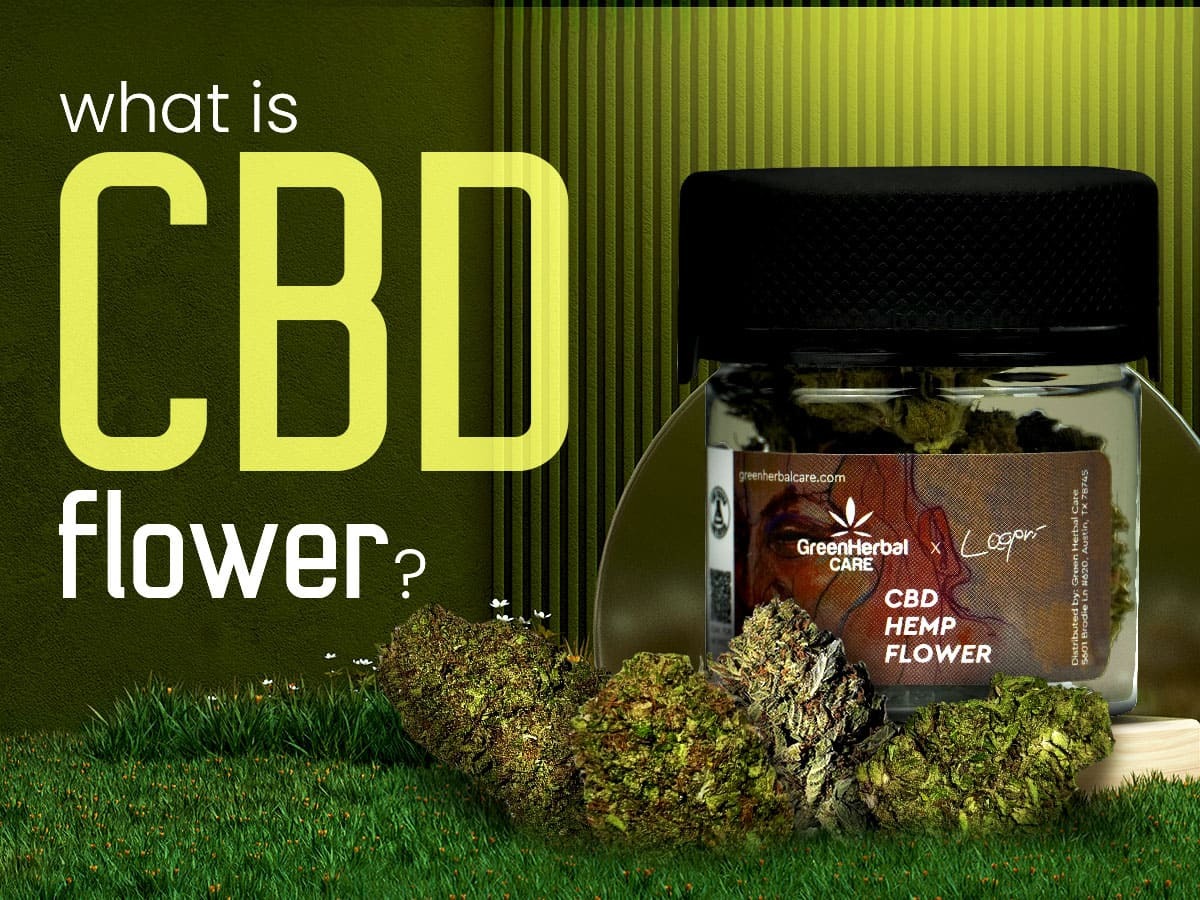
CBD flower is the raw, dried bud of the hemp plant — a variety of Cannabis sativa that’s been cultivated to be low in THC and high in cannabidiol (CBD).
Think of it like this: the cannabis plant is a big family. Some members of that family are bred to be rich in THC (the psychoactive compound). Others are bred to contain mostly CBD. Hemp flower belongs to the second group.
CBD flower looks, smells, and feels nearly identical to marijuana. That’s one reason it creates so much confusion — and legal complications in many countries. But chemically, the difference is significant.
Most CBD flower sold in legal markets contains less than 0.3% THC — that’s the legal threshold in the US and many EU countries. That trace amount isn’t enough to cause intoxication in most people.
What it does contain is a full spectrum of cannabinoids, terpenes, and flavonoids that work together in what researchers call the “entourage effect” — the idea that cannabis compounds work better together than in isolation (Project CBD).
CBD Flower vs THC: What’s the Real Difference?
The core difference is simple: THC makes you high. CBD If Use Properly.
Both CBD and THC interact with your body’s endocannabinoid system (ECS) — a cell-signaling network that helps regulate mood, pain, sleep, and immune response. But they interact differently with the system’s receptors.
THC binds directly to CB1 receptors in the brain, triggering the euphoric “high” that cannabis is famous for. CBD, on the other hand, doesn’t bind directly. It works more indirectly — influencing serotonin pathways and moderating other cannabinoid activity.
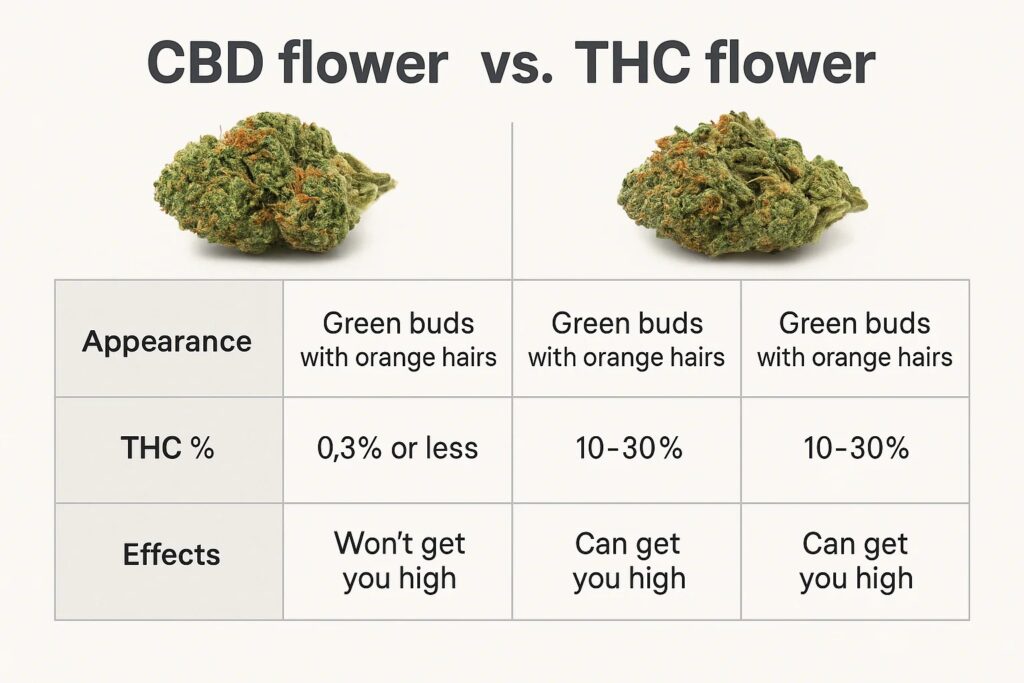
Here’s a quick comparison that matters:
| Feature | CBD Flower | THC-Rich Cannabis |
|---|---|---|
| Psychoactive? | No | Yes |
| Legal globally? | Varies widely | Mostly illegal |
| Drug test risk? | Low (but possible) | High |
| WHO safety profile | Generally safe | More side effects |
| Legal in Saudi Arabia? | No | No |
The average THC potency in cannabis plants rose from roughly 4% in the mid-1990s to over 15% by recent years (WebMD). CBD flower, by contrast, stays well below 0.3% THC in regulated markets.
What Is CBD Flower Benefits?
CBD flower is used by many people for relaxation, anxiety relief, sleep support, and pain management — though the science is still catching up with the claims.
Preclinical research and early-stage human studies suggest CBD may have anti-inflammatory, analgesic (pain-relieving), anxiolytic (anti-anxiety), anticonvulsant, and antipsychotic properties (NCBI/PMC). The WHO reviewed the evidence and concluded that CBD is generally safe and does not appear to have abuse potential (Medical News Today).
The most well-established medical application is Epidiolex — an FDA-approved CBD medication prescribed for rare forms of childhood epilepsy. That’s the only drug in this category with full regulatory approval in the KSA.
For everything else — anxiety, sleep, pain, mood — the evidence is promising but not yet conclusive. Studies show improvements, but researchers consistently call for larger, better-controlled trials.
What most users report anecdotally: (What Is CBD Flower?)
- A calm, clear-headed feeling — not a high, not sedation
- Reduced physical tension and mild pain relief
- Easier time falling asleep
- A noticeable reduction in anxiety during stressful situations
It’s not magic. But for many people, it genuinely helps.
How to Use CBD Flower
What Is CBD Flower? CBD flower can be smoked, vaporized, or used to make infused oils and edibles — each method delivers effects at different speeds.
Here’s a breakdown of the main methods:
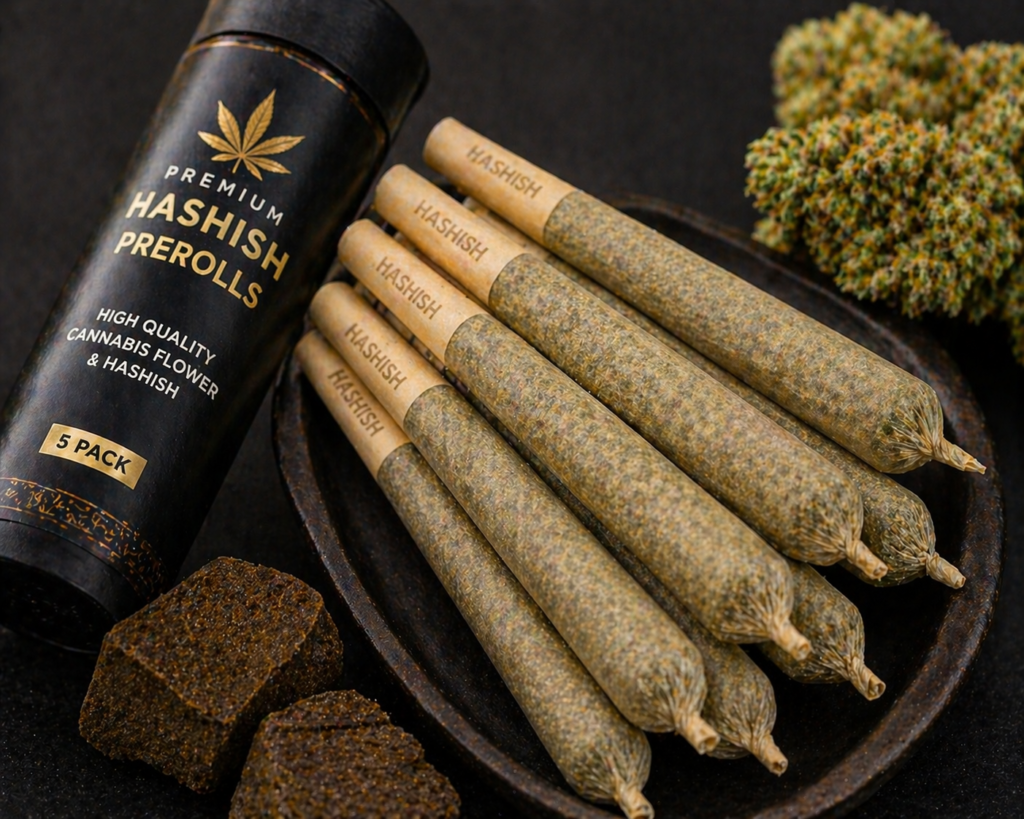
Smoking / Rolling: The fastest onset. Effects are felt within minutes. Similar to smoking tobacco, but without nicotine. Carries the same respiratory risks as any form of smoke inhalation.
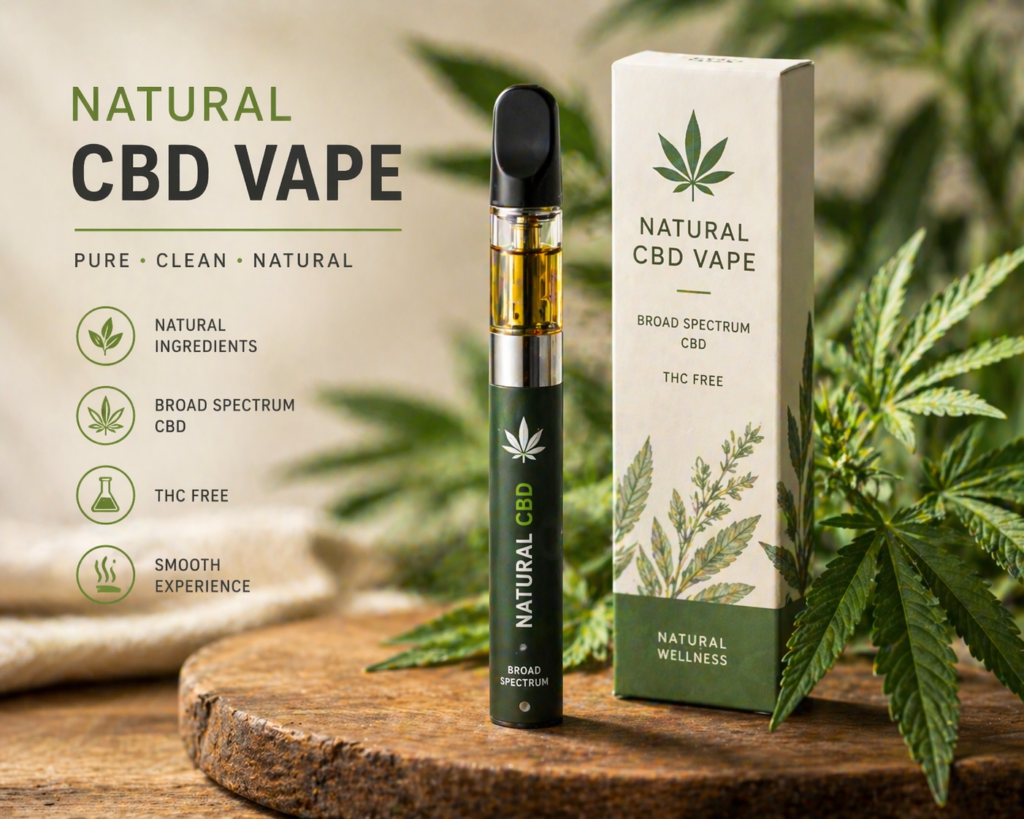
Vaporizing (Vaping): Considered a cleaner alternative to smoking. A dry herb vaporizer heats the flower without burning it, releasing cannabinoids as vapor. Effects still kick in quickly, usually within 5–10 minutes.
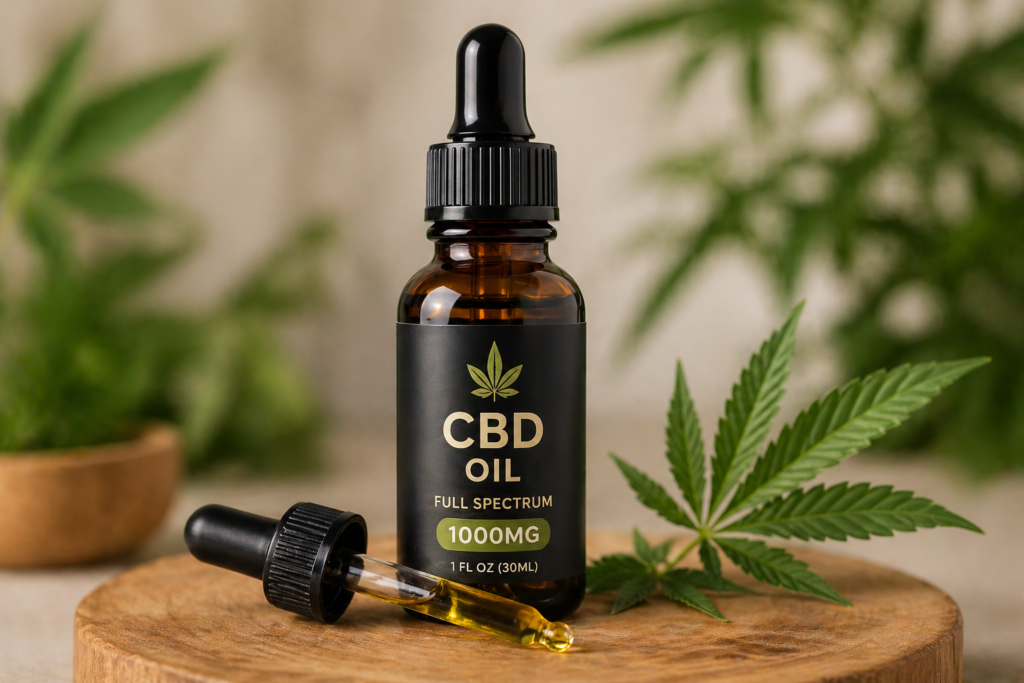
Infusing into oils or butter: You can decarboxylate (gently heat) CBD flower and steep it in coconut oil or butter. This makes it useful for cooking or home-made tinctures. Onset is slower (30–90 minutes) but effects tend to last longer.
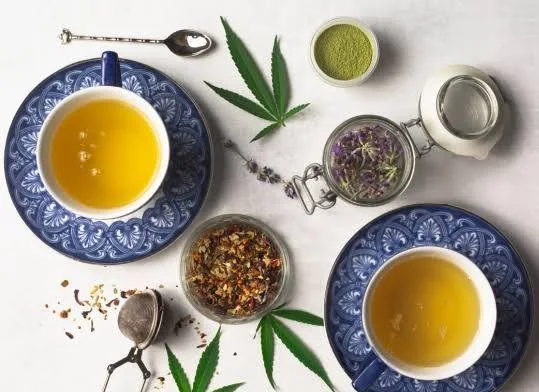
CBD tea: Some people steep dried CBD flower in hot water with fat (like milk) to extract cannabinoids. The effect is mild compared to other methods.
If you’re considering any of these methods, always start with a small amount. Everyone’s endocannabinoid system responds differently, and what works for one person may not suit another.
Is CBD Flower Legal in Saudi Arabia?
No. CBD flower is not legal in Saudi Arabia — not under any circumstances, even for medical use.
This is the part we promised to be very clear about. Under Royal Decree No. M/39 and Saudi Arabia’s 2005 Narcotics and Psychotropic Substances Control Law, cannabis and all its derivatives — including CBD — are classified as narcotic drugs (Hemppedia).
It doesn’t matter that CBD is non-psychoactive. It doesn’t matter that it’s legal in the US, UK, or Europe. In the Kingdom of Saudi Arabia, CBD is treated the same as THC.
The penalties are severe:
- Possession for personal use: Up to 6 months to 2 years imprisonment, plus fines of up to 100,000 Saudi Riyals (~€24,000) (ElevenTHC, 2025)
- Drug dealing / trafficking: Up to 10 years or more in prison, plus corporal punishment
A 2019 Forbes report noted that of 150 executions carried out in Saudi Arabia that year, around 40% were drug-related (Leafwell).
There’s medical cannabis program. No exemption for foreigners. No loophole for travellers carrying CBD oil in their bag. Customs authorities use advanced detection technologies, and border controls are strict.
The Saudi Food and Drug Authority (SFDA) regulates controlled substances, and CBD falls firmly under that umbrella.
If you’re an expat, a visitor, or a resident in Saudi Arabia — do not bring CBD products into the country. Embassies and legal experts consistently advise against it. Ignorance of the law is not a defence.
What Are the Health Risks of Unregulated CBD Flower?
Unregulated CBD products can be mislabeled, contaminated, and far less safe than their packaging suggests.
A landmark 2017 study found that 18 out of 84 CBD products purchased online contained THC levels high enough to potentially cause impairment — even though the labels made no such claim (LHSFNA).
The risks of buying unregulated CBD flower include:
Higher-than-labelled THC content. Some products contain significantly more THC than declared. This could impair you unexpectedly — or get you in serious legal trouble if you’re in a country where THC is illegal.
Pesticides and heavy metals. Hemp is a bioaccumulator, meaning it absorbs whatever is in the soil — including toxins. Without third-party lab testing, there’s no way to know what else is in your flower.
Counterfeit products. Online markets are filled with sellers making false claims. Without a Certificate of Analysis (COA) from an accredited independent lab, you’re essentially buying blind.
Interactions with medications. CBD affects liver enzymes that metabolise many common drugs, including blood thinners and antidepressants. Always talk to a doctor if you’re on medication.
The bottom line?
If CBD is legal where you are, buy only from brands that publish third-party lab results. If it’s not legal — like in Saudi Arabia — the risks multiply dramatically.
Can You Fail a Drug Test Using CBD Flower?
Yes, it’s possible — especially with heavy or regular use.
Standard drug tests don’t look for CBD itself. They look for THC metabolites — specifically a compound called THC-COOH, which your body produces when it breaks down THC (WebMD). The typical urine test threshold is 50 ng/ml.
CBD flower, even within the legal 0.3% THC limit, contains trace amounts of THC. If you use it heavily over weeks or months, that THC can accumulate in fat tissue and eventually push metabolite levels above the detection threshold.
A 2021 study found that while occasional CBD users are unlikely to fail, daily heavy users could test positive after 2–3 weeks of consistent use (Mr. Hemp Flower).
Practical tips if drug testing is a concern:
- Choose broad-spectrum or CBD isolate products, which are typically THC-free
- Always look for a COA confirming 0.0% total THC
- Stop use at least 30 days before a scheduled drug test
- Avoid full-spectrum CBD flower if your job involves regular screening
In Saudi Arabia, this point is moot — because CBD flower is illegal, and even possession of it would trigger consequences far more serious than a failed workplace drug test.
Frequently Asked Questions
Is CBD flower legal in Saudi Arabia under any circumstances?
No. CBD is classified as a narcotic under Saudi law, regardless of its THC content. There is no medical exemption, no tourist exception, and no decriminalisation. Possession can lead to prison time, heavy fines, or worse. Do not bring CBD flower into Saudi Arabia under any circumstances.
How can I verify the legality of CBD products in Saudi Arabia?
Check the official website of the Saudi Food and Drug Authority (SFDA) at sfda.gov.sa, or consult a licensed legal professional familiar with Saudi drug regulations. You can also contact your country’s embassy in Riyadh for guidance specific to your nationality.
What are the top CBD flower strains for anxiety?
In countries where CBD is legal, popular strains for anxiety include Lifter, Sour Space Candy, and Hawaiian Haze — all known for their calming terpene profiles. These strains tend to be high in myrcene and linalool, terpenes linked to relaxation. This is for informational purposes for readers in legal jurisdictions only.
How does CBD flower differ from CBD oil?
CBD flower is the raw hemp bud, consumed by smoking, vaping, or infusing. CBD oil is an extract — usually suspended in a carrier oil — taken sublingually (under the tongue) or added to food. Oil offers more precise dosing and no smoke inhalation. Flower tends to have faster onset but less dosing consistency due to natural cannabinoid variation across different batches.
Can you fail a drug test using CBD flower?
Yes, it’s technically possible. CBD flower contains trace THC (under 0.3%), and heavy regular use can accumulate THC metabolites in fat cells above detectable limits. Occasional users are unlikely to test positive. To minimise risk, choose broad-spectrum CBD or isolate products with verified 0.0% THC, and stop use at least 30 days before testing.
Conclusion
CBD flower sits at an interesting crossroads: globally, it’s a fast-growing wellness product backed by early scientific promise; regionally, particularly in Saudi Arabia, it’s a controlled substance with zero tolerance and severe penalties.
If you’re researching CBD flower out of genuine curiosity, the science is real and worth understanding. If you’re in Saudi Arabia — whether as a resident, an expat, or a visitor — the law is equally real, and ignoring it carries consequences that no wellness benefit can justify.
Stay informed. Verify your local laws. And when in doubt, check with official sources like the SFDA or legal counsel before making any decisions.
This article is for informational purposes only and does not constitute legal or medical advice. Always consult a licensed professional for guidance specific to your situation and jurisdiction.