Cannabis and Hash in Madinah: Laws, Risks, Prices & What Tourists Must Know in 2026
Cannabis and Hash in Madinah – How Cannabis Cases Are Actually Discovered in Madinah
Many people assume cannabis-related arrests only happen when someone is openly smoking or selling drugs. Reality is far less predictable for Cannabis and Hash in Madinah.
In Madinah, investigations and arrests often begin through indirect situations: airport screenings, suspicious deliveries, shared accommodations, or digital communication. Understanding these patterns matters because many travelers underestimate how strict enforcement can become in practice.
Airport Screening and Transit Risks
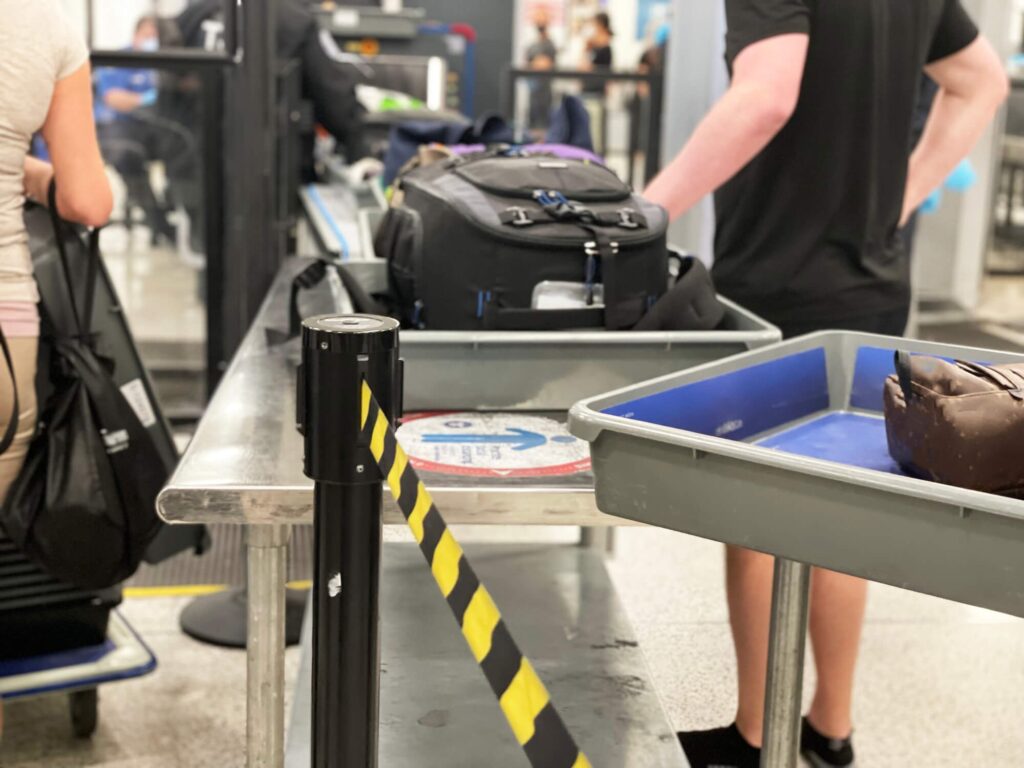
Saudi airports operate under strict customs and narcotics enforcement systems. International travelers entering through Jeddah, Riyadh, or Medina airports may encounter:
- Advanced baggage scanning
- Random secondary checks
- Drug-sniffing dogs
- Customs questioning
One important detail most guides ignore: transit passengers are not automatically “safe” from scrutiny. Travelers connecting through Gulf airports sometimes assume that cannabis products legally purchased elsewhere are harmless if they remain sealed or unused. That assumption can backfire quickly.
Even forgotten items such as:
can create serious legal complications.
The issue is not whether the Cannabis and Hash in Madinah was legal where it originated. The issue is whether it complies with Saudi law once it enters the country.
Shared Luggage and “I Didn’t Know” Situations
A surprisingly overlooked risk involves shared belongings.
Cases globally have involved:
- Borrowed luggage
- Shared backpacks
- Friends packing prohibited items
- Family members unaware of contents
In highly restrictive countries, “I didn’t know it was there” does not always prevent legal trouble.
Cannabis and Hash in Madinah Travelers especially risky for:
- Group travelers
- Pilgrims traveling in large tours
- Students
- Expats relocating internationally
Experienced international travelers often recommend thoroughly checking every compartment of luggage before travel, especially after visiting countries where cannabis products are common and socially normalized.
Digital Footprints and Social Media Risks of Cannabis and Hash in Madinah
Another hidden reality involves digital behavior.
Many people casually:
- Share cannabis-related photos
- Join messaging groups
- Discuss substances online
- Use slang publicly on social platforms
In restrictive environments, online behavior can create unwanted attention or misunderstandings.
Even private messaging platforms are not inherently “safe” spaces. Scammers frequently operate through:
- Telegram groups
- WhatsApp channels
- Anonymous social media accounts
Some promise “safe delivery” or “tourist-friendly access.” In many cases, these are scams targeting inexperienced visitors.
The result is often:
- Financial fraud
- Extortion
- Exposure to criminal networks
- Increased legal risk
Ironically, the internet has made people simultaneously more informed and more reckless. A technological achievement of questionable beauty.
Why Foreigners Often Misjudge Enforcement – Cannabis and Hash in Madinah
Travelers from countries with legal cannabis markets sometimes unconsciously carry those assumptions abroad.
In Canada, parts of the United States, Germany, and Thailand, cannabis has become normalized in many settings. This creates a psychological effect where people stop viewing cannabis as a high-risk substance.
But laws do not globalize evenly.
Cannabis and Hash in Madinah operates under a completely different legal and cultural framework. A behavior considered casual elsewhere may be treated as a serious criminal matter locally.
The biggest mistake travelers make is assuming:
“I’m a tourist, so authorities will be lenient.”
In reality, foreigners may face:
- Arrest
- Deportation
- Travel bans
- Public legal proceedings
Embassies can usually provide legal coordination or welfare support, but they cannot override local law.
Expert Observation: Most Problems Begin Before Consumption
One overlooked pattern is this:
many cannabis-related legal problems occur before someone even consumes the substance.
The highest-risk moments are often:
- Airport arrival
- Customs declarations
- Online purchasing attempts
- Meeting unknown sellers
- Carrying products internationally
This changes the conversation entirely. The danger is not only the act of using cannabis. The danger often begins with movement, possession, communication, or association.
Myth vs Reality About Cannabis and Hash in Madinah
Online discussions about cannabis in Madinah are filled with half-truths, exaggerations, and dangerous assumptions.
Some myths come from outdated internet posts. Others come from travelers comparing Saudi Arabia to countries with very different legal systems.
Separating myth from reality is important because misinformation can create real-world consequences.
| Myth | Reality |
|---|---|
| “Foreigners get special treatment.” | Drug laws apply broadly regardless of nationality. |
| “Tiny amounts don’t matter.” | Even trace amounts may create legal complications. |
| “Medical cannabis prescriptions protect travelers.” | Foreign prescriptions may not override local restrictions. |
| “CBD is always legal.” | Some CBD products contain trace THC, which can still create risk. |
| “Private use is ignored.” | Private possession can still result in prosecution. |
| “Online sellers are safe.” | Many are scams or monitored operations. |
Myth: “Cannabis and Hash in Madinah Are Completely Safe”
This misconception has grown rapidly because Cannabis is marketed globally as a wellness product.
However, many Cannabis products contain:
- Trace THC
- Inaccurate labeling
- Cross-contamination
A product legally sold in the US or Europe may still violate regulations in stricter countries.
One major issue is manufacturing inconsistency. Independent testing studies in several countries have found that some Cannabis products contain significantly different cannabinoid levels than advertised.
That creates risk for travelers who genuinely believe they are carrying legal wellness supplements.
Reality: Product Labels Do Not Guarantee Compliance
Consumers often trust packaging too easily.
Terms like:
- “THC-free”
- “Natural hemp”
- “Broad spectrum”
- “Legal everywhere”
are marketing phrases, not universal legal guarantees.
International law does not work like an Amazon return policy. Countries define controlled substances differently, and enforcement standards vary dramatically.
Myth: “If Locals Use It Secretly, It Must Be Commonly Tolerated”
Another misconception comes from misunderstanding underground activity.
Yes, black markets can exist in restrictive countries. That does not mean authorities tolerate them.
In fact, strict environments often create:
- Higher secrecy
- Higher paranoia
- More dangerous criminal networks
This increases:
- Scam exposure
- Product contamination
- Legal consequences
Underground availability should never be confused with social acceptance.
Reality: Secrecy Often Signals Higher Risk, Not Lower Risk
In legal markets:
- Products are regulated
- Stores are licensed
- Safety standards exist
In illegal markets:
- There is no quality control
- No legal protection
- No consumer rights
The hidden nature of underground cannabis culture in restrictive regions is itself evidence of the legal danger involved.
Myth: “Airport Security Only Targets Large Quantities”
This belief remains extremely common among inexperienced travelers.
Some assume:
“I only have a small edible”
or
“It’s just a vape cartridge.”
But customs enforcement does not always focus purely on quantity.
Small items can still trigger:
- Searches
- Detention
- Investigations
Especially when substances involve THC concentrates or oils.
Reality: Concentrated Products Often Carry Higher Risk
Cannabis concentrates:
- Vape oils
- Wax
- Shatter
- Edibles
can sometimes receive greater scrutiny because:
- They are harder to identify visually
- They are more potent
- They are easier to conceal
This creates an “it depends” situation most beginner articles completely ignore.
Myth: “Online Advice Is Usually Accurate”
Cannabis forums often contain:
- Outdated legal information
- Anonymous anecdotes
- Exaggerated stories
- False confidence
Many websites publishing “weed in Dubai” or “weed in Madinah” content prioritize traffic over accuracy.
Some even fabricate:
- Fake dispensaries
- Fake delivery services
- Fake local experiences
because controversial keywords attract clicks.
Reality: High-Risk Topics Attract Low-Quality Information
The combination of:
- anonymity
- SEO competition
- social media hype
- underground culture
creates a perfect environment for misinformation.
Reliable information should come from:
- official government guidance
- customs advisories
- embassy travel notices
- verified legal resources
not random usernames claiming they “know a guy.”
Final Insight: The Biggest Risk Is False Confidence
Most cannabis-related problems in restrictive countries do not happen because someone lacks information entirely.
They happen because someone believes:
- the rules are exaggerated
- enforcement is inconsistent
- their situation is an exception
That false confidence is usually more dangerous than ignorance itself.
And in a city as religiously and culturally significant as Madinah, underestimating local norms can have consequences far beyond a temporary inconvenience.