
Weeds in Leeyh Valley, Taif, Saudi Arabia: Species, Density, Agricultural Impact and Weed Management
Weeds in Leeyh Valley, Taif, Saudi Arabia
Agriculture and weeds in Leeyh Valley Taif Saudi Arabia, Specially in the Taif region of Saudi Arabia has considerable potential because of its favorable topography, agricultural land, and relatively high elevation. However, weed infestation is one of the important challenges affecting agricultural production in the region.
A study conducted during 2016–2017 investigated the weed flora of Leeyh Valley, south of Taif, with the objective of identifying weed species, determining their distribution and abundance, and providing information that could support future weed-management programs.
The research identified numerous weed species growing in agricultural fields and found substantial differences in weed density among crops. Cucurbita pepo (squash/pumpkin), Coriandrum sativum (coriander), and Petroselinum crispum (parsley) had particularly high recorded weed counts, while Medicago sativa (alfalfa) had the lowest.
The findings provide useful baseline information for farmers, agricultural researchers, and weed-management specialists working in the Taif region.
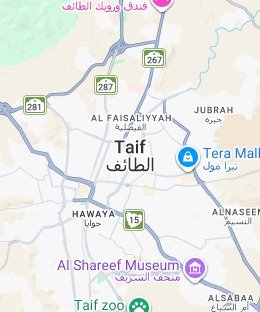
Where Is Leeyh Valley?
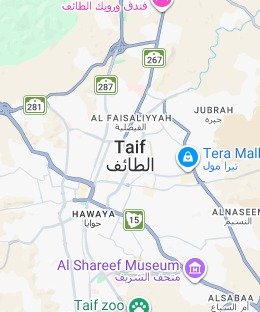
Leeyh Valley is located in the southern part of the Taif area of Saudi Arabia. Taif lies on the eastern slopes of the Al-Sarawat Mountains at an elevation of approximately 1,700 meters above sea level, with elevations increasing toward the south and west.
The region is recognized for agricultural activity, and its environmental conditions support the cultivation of several crops.
However, the combination of soil conditions, irrigation, cultivation practices, climate, and crop type can create favorable conditions for different weed communities.
Why Are Weeds a Problem in Agriculture?
A weed can broadly be described as a plant growing where it is unwanted or where its harmful effects outweigh its benefits.
In agricultural fields, weeds can compete directly with crops for:
- Water
- Nutrients
- Sunlight
- Growing space
- Soil resources
Heavy weed infestation can therefore reduce crop growth and yield.
Weeds may also create additional agricultural problems. They can interfere with harvesting, increase production costs, reduce crop quality, and sometimes provide shelter or alternative hosts for pests and diseases.
For this reason, understanding which weed species occur in a particular agricultural region is an important first step toward developing an effective weed-management program.
Major Weed Families Found in Leeyh Valley
The survey recorded weeds belonging to several plant families.
According to the reported data, Chenopodiaceae had the greatest recorded weed number, followed by Urticaceae, Malvaceae, and Portulacaceae.
The lowest recorded numbers were associated with Capparaceae, followed by families such as Solanaceae, Brassicaceae, and Aizoaceae.
Weed numbers reported by family
| Weed family | Reported weed number |
|---|---|
| Chenopodiaceae | 819 |
| Urticaceae | 455 |
| Malvaceae | 323 |
| Portulacaceae | 264 |
| Amaranthaceae | 165 |
| Convolvulaceae | 154 |
| Poaceae | 141 |
| Zygophyllaceae | 97 |
| Boraginaceae | 77 |
| Asteraceae | 75 |
| Brassicaceae | 58 |
| Aizoaceae | 55 |
| Solanaceae | 31 |
| Capparaceae | 3 |
Important note: The original paper contains some inconsistencies in family names and counts—for example, Chenopodiaceae appears twice in Table 1. The table above preserves the values reported in the supplied text rather than silently changing the study’s original data.
weeds in Leeyh Valley Taif Saudi Arabia
Portulacaceae, Poaceae, and Chenopodiaceae
Dominant Weed Species
Portulaca oleracea (Common Purslane): Shows the highest overall density across Taif agricultural pockets.
Cynodon dactylon (Bermuda Grass): Highly prevalent in local fruit and vegetable farms.
Chenopodium murale (Nettle-leaf Goosefoot): Abundantly found across multiple field zones.
Amaranthus viridis (Slender Amaranth): Frequently recorded in high densities at various elevations.
Setaria viridis and Eleusine indica: Common grass weeds in vegetable plantations.
Affected Crops and Regions
- High Impact: Research in valleys south of Taif shows heavy weed counts in crops like Cucurbita pepo (pumpkin), Coriandrum sativum (coriander), and Petroselinum crispum (parsley).
- Lower Impact: Lower weed counts are typically observed in Medicago sativa (alfalfa) fields.
- For detailed academic assessments on local distribution patterns, you can review the study on Weeds growth in valley of Leeyh.
If you need specific help, please tell me:
- Which crop or garden area you are managing
- The specific weeds you are trying to remove
I can suggest targeted management or removal methods.
Most Common weeds in Leeyh Valley Taif Saudi Arabia
The research recorded a range of weed species in agricultural fields around Leeyh Valley.
The species with the highest reported densities included:
- Urtica dioica – 455
- Chenopodium valvaeia – 389
- Malva parviflora – 323
- Portulaca oleracea – 264
- Amaranthus viridis – 165
- Cynodon dactylon – 132
- Tribulus terrestris – 97
- Ipomoea sp. – 81
- Heliotropium curassavicum – 77
- Convolvulus arvensis – 73
The study identified Urtica dioica, Malva parviflora, Chenopodium valvaeia, Amaranthus viridis, Cynodon dactylon, and Portulaca oleracea among the dominant weeds reported from the surveyed agricultural fields.
Low-density weeds
Some species were recorded at substantially lower numbers:
- Capparis spinosa – 3
- Sonchus oleraceus – 3
- Minuartia filifolia – 4
- Stipagrostis bemralri – 5
- Sisymbrium iriol – 9
These differences demonstrate that weed populations can vary considerably even within the same agricultural region.
Which Crops Had the Most Weeds?
One of the most interesting findings of the survey was the difference in weed abundance between agricultural crops.
The reported weed counts were:
| Agricultural crop | Weed count |
|---|---|
| Cucurbita pepo | 1,202 |
| Coriandrum sativum | 459 |
| Petroselinum crispum | 399 |
| Grape species | 101 |
| Capparis decidua | 64 |
| Zea mays | 64 |
| Capsicum annuum | 54 |
| Medicago sativa | 27 |
Cucurbita pepo had the highest weed count
The highest recorded weed count occurred in Cucurbita pepo, with 1,202 weeds.
This represented approximately 51% of the total weed count reported across the listed crops, according to the study’s presentation.
Coriander ranked second with 459 weeds, followed by parsley with 399.
Alfalfa had the lowest weed count
Medicago sativa (alfalfa) had the lowest reported weed count at 27, representing approximately 1% in the study’s chart.
This substantial difference illustrates how crop type and agricultural management can influence weed establishment and abundance.
Weeds Associated With Maize
weeds in Leeyh Valley Taif Saudi Arabia
The study also discussed weed communities associated with Zea mays (maize).
Reported weeds included species such as:
- Cynodon dactylon
- Cyperus rotundus
- Portulaca oleracea
- Sorghum arundinaceum
- Amaranthus viridis
- Echinochloa colona
- Gynandropsis gynandra
- Amaranthus graecizans
- Euphorbia aegyptiaca
- Chloris virgata
- Convolvulus arvensis
- Calotropis procera
- Sesbania sesban
- Alhagi maurorum
- Citrullus colocynthis
- Ocimum basilicum
- Solanum nigrum
The presence of both annual and perennial weeds can make weed management more challenging, particularly where weeds have established extensive underground structures or persistent seed banks.
Common Weeds in Coriander Fields
The study identified several important weeds associated with Coriandrum sativum (coriander).
(weeds in Leeyh Valley Taif Saudi Arabia)
These included:
- Chenopodium murale
- Spergula arvensis
- Melilotus indica
- Anagallis arvensis
- Chenopodium album
- Convolvulus arvensis
- Cyperus rotundus
- Cynodon dactylon
Among these, Chenopodium murale, Spergula arvensis, and Cyperus rotundus were highlighted as prominent weeds.
This is important because weed competition during early crop development can potentially interfere with crop establishment and productivity.
Weeds in Alfalfa Fields
The survey recorded a comparatively low weed count in Medicago sativa (alfalfa) fields.
The researchers discussed the role of harvesting practices and weed life cycles in determining infestation levels. Delayed forage harvesting may allow annual weeds to produce seeds, potentially increasing weed populations in subsequent growing periods.
Therefore, weed management in forage crops should consider not only existing weed populations but also the timing of weed seed production.
Why Do Weed Populations Differ Between Crops?
weeds in Leeyh Valley Taif Saudi Arabia
Weed communities are not static. Their composition and density can change depending on several environmental and agricultural factors.
1. Crop type
Different crops create different levels of shading, competition, and soil disturbance. Some crops may suppress weeds more effectively than others.
2. Soil characteristics
Soil texture, fertility, moisture, pH, and nutrient availability can influence which weed species establish successfully.
3. Irrigation
Water availability is particularly important in arid and semi-arid agricultural environments such as Saudi Arabia. Irrigation can create favorable conditions for both crops and weeds.
4. Climate
Temperature, rainfall, humidity, and seasonal changes influence weed germination and growth.
5. Tillage
Tillage can disturb established weeds but may also bring buried weed seeds to the soil surface, encouraging germination.
6. Fertilizer application
Nutrients supplied to crops can also become available to weeds. Consequently, fertilizer management can influence weed growth and competition.
7. Weed-control practices
Herbicides, hand weeding, cultivation, mulching, crop rotation, and other practices can significantly alter weed communities.
Dominant Weeds That Farmers Should Watch
weeds in Leeyh Valley Taif Saudi Arabia
Based on the reported survey, several species deserve particular attention because of their relatively high abundance.
Urtica dioica
Urtica dioica was reported as the most abundant weed in the overall species table, with a count of 455.
Its high occurrence makes monitoring important in affected agricultural areas.
Chenopodium species
Several Chenopodium species were reported, with Chenopodium valvaeia showing a particularly high count of 389.
The dominance of Chenopodiaceae in the survey highlights the importance of monitoring this group in Taif agricultural fields.
Malva parviflora
Malva parviflora was reported at 323, making it one of the most abundant weeds recorded.
Portulaca oleracea
Portulaca oleracea had a reported count of 264, placing it among the major weeds identified.
Cynodon dactylon
Cynodon dactylon, commonly known as Bermuda grass, was also an important weed, with a reported count of 132.
Because perennial grasses can be persistent once established, they can require consistent management.
How Can Weeds Be Managed in Taif Agricultural Fields?
There is no single (weeds in Leeyh Valley Taif Saudi Arabia) weed-control method that works equally well against every weed species. A more effective approach is integrated weed management (IWM).
Recommended strategies include:
- Regular monitoring of agricultural fields
- Early identification of emerging weeds
- Hand removal of weeds where practical
- Appropriate tillage practices
- Crop rotation
- Maintaining competitive crop stands
- Correct irrigation management
- Proper fertilizer application
- Preventing weeds from producing seeds
- Using herbicides only when appropriate and according to local recommendations
- Controlling perennial weeds before they become established
- Cleaning farm machinery to reduce weed-seed movement
The most effective management program should be based on the weed species present, crop type, growth stage, environmental conditions, and local agricultural recommendations.(weeds in Leeyh Valley Taif Saudi Arabia)
Why Weed Surveys Matter for Saudi Arabian Agriculture
A weed survey provides more than a list of unwanted plants.
It establishes a baseline for understanding:
- Which weed species are present
- Which species are dominant
- Which crops experience greater weed pressure
- Which weeds may become economically important
- How weed populations change over time
- Where targeted management may be necessary
For a region such as Taif, where agricultural land is valuable and water resources are limited, improving weed management can be particularly important.
The study of Leeyh Valley therefore provides useful baseline information for future research and agricultural planning.
Key Findings at a Glance
The major findings of the study (about weeds in Leeyh Valley Taif Saudi Arabia) can be summarized as follows:
- The survey was conducted in Leeyh Valley, south of Taif, Saudi Arabia, during 2016–2017.
- Taif is situated at approximately 1,700 m above sea level.
- Several weed families and species were recorded in agricultural fields.
- Chenopodiaceae had the highest reported family-level weed count in the supplied data.
- Urtica dioica had the highest reported individual species count at 455.
- Chenopodium valvaeia followed with 389.
- Malva parviflora recorded 323.
- Portulaca oleracea recorded 264.
- Cucurbita pepo had the highest crop-associated weed count at 1,202.
- Coriandrum sativum had 459 weeds.
- Petroselinum crispum had 399.
- Medicago sativa had the lowest reported crop-associated weed count at 27.
- Weed abundance was influenced by crop type, soil, climate, irrigation, cultivation practices, and other environmental factors.
- The findings can help guide future weed monitoring and integrated weed-management programs in Taif.
Frequently Asked Questions
What are the major weeds found in Leeyh Valley?
The study reported several dominant weeds, including Urtica dioica, Chenopodium valvaeia, Malva parviflora, Amaranthus viridis, Cynodon dactylon, and Portulaca oleracea.
Which crop had the highest weed infestation?
Among the crops listed in the study, Cucurbita pepo had the highest reported weed count, with 1,202 weeds.
Which crop had the lowest weed count?
Medicago sativa (alfalfa) had the lowest reported weed count at 27.
Which weed family was most abundant?
The supplied study data reported Chenopodiaceae as having the highest weed count, although the original table contains some taxonomic/counting inconsistencies.
Why are weed surveys important?
Weed surveys help identify dominant species, understand their distribution, determine which crops are most affected, and develop targeted weed-management strategies.
How can farmers control weeds?
Farmers can combine field monitoring, timely cultivation, hand weeding, crop rotation, appropriate irrigation and fertilizer management, prevention of seed production, and—where suitable—properly selected herbicides.
Conclusion
The weed flora of Leeyh Valley in southern Taif demonstrates considerable diversity and variation in weed abundance among agricultural crops. The study found particularly high weed populations in Cucurbita pepo, Coriandrum sativum, and Petroselinum crispum, while Medicago sativa showed a much lower recorded weed count.
Among individual weed species, Urtica dioica, Chenopodium valvaeia, Malva parviflora, Portulaca oleracea, Amaranthus viridis, and Cynodon dactylon were among the most prominent species reported.
Because weed populations are affected by crop type, soil properties, irrigation, climate, cultivation methods, and weed-control practices, successful management requires a site-specific and integrated approach.
Continued weed monitoring in Taif and other agricultural regions of Saudi Arabia can help researchers and farmers identify emerging weed problems early, protect crop productivity, and improve the sustainable use of agricultural land and water resources.