
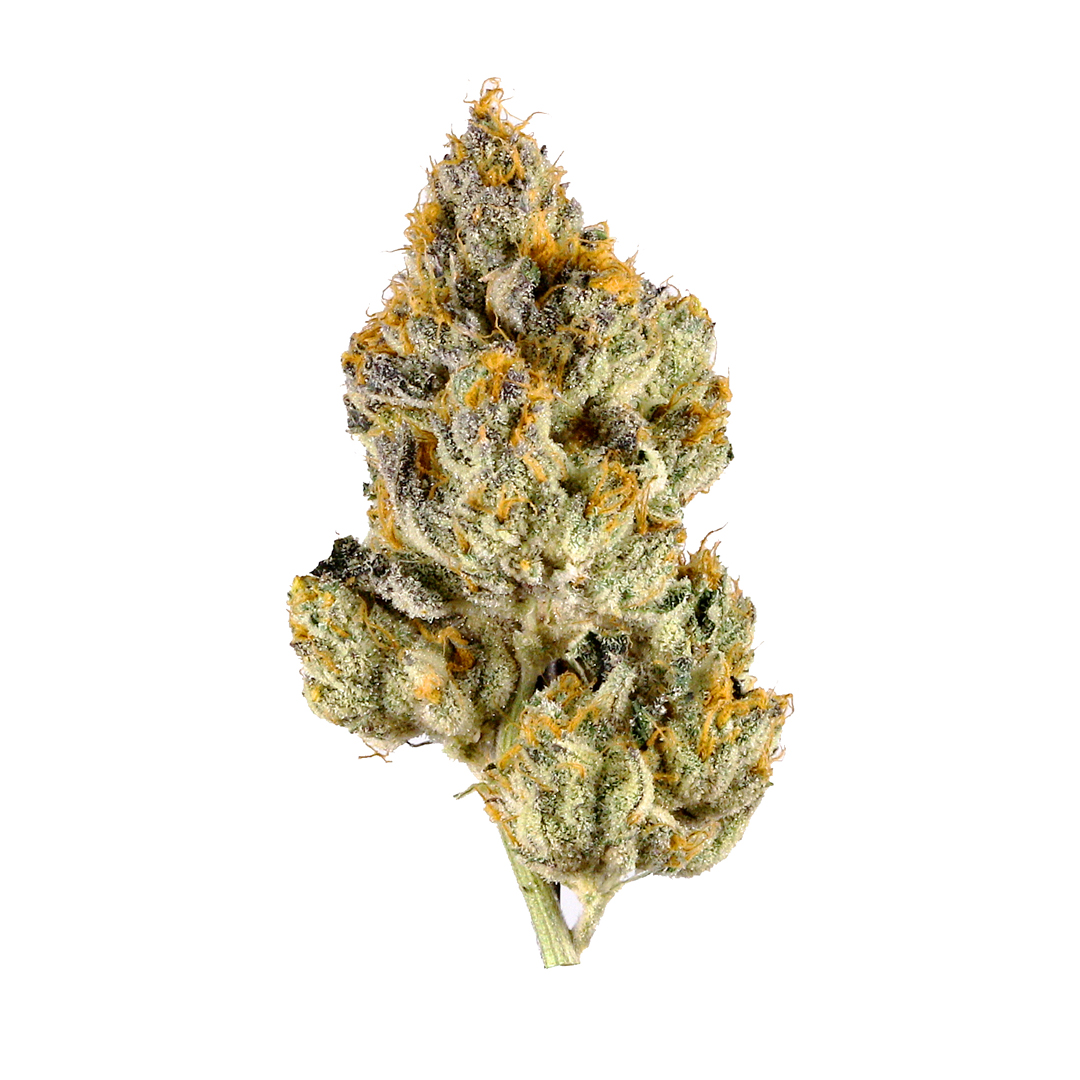
North Indian Weed Strain: Effects, THC & Characteristics
Price range: $ 100.00 through $ 1,200.00
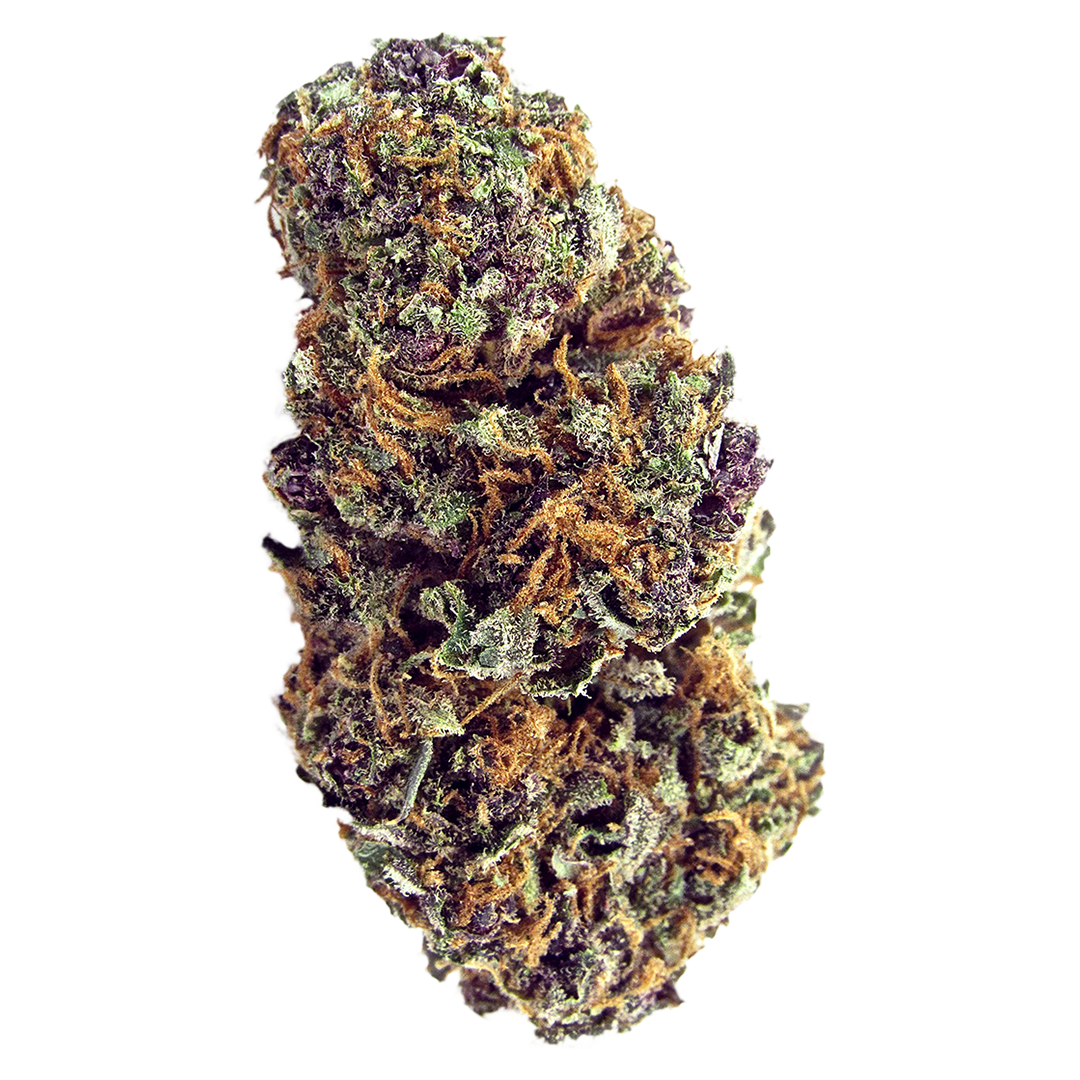
North Indian weed strain
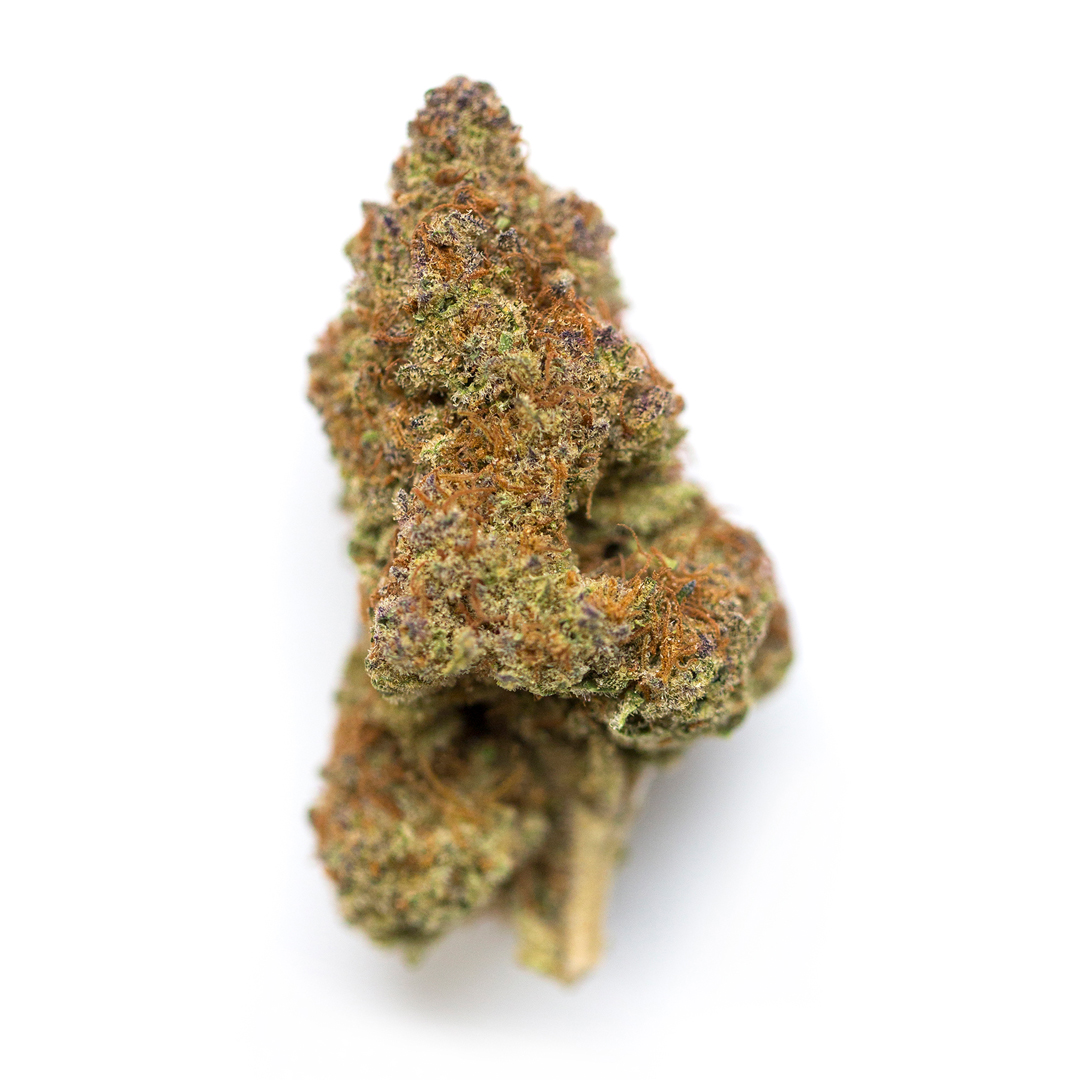
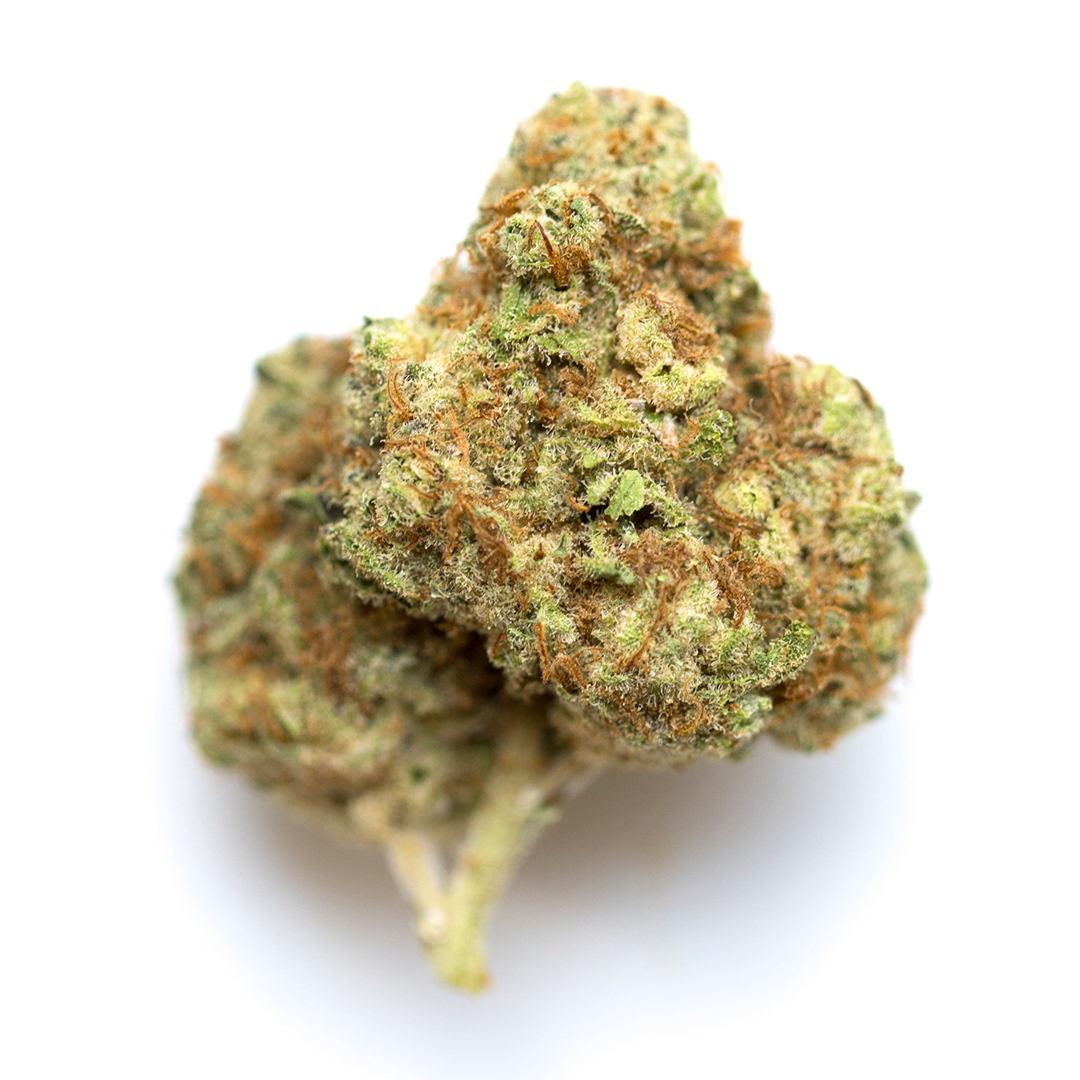
North Indian weed strain offers a traditional, spice-and-earth aroma
with a calm, heavy body feel. It’s often chosen for slowing
down without a loud cerebral rush.
THC
15-21%
CBD
0.2-1.0%
INDICA
90%
SATIVA
10%
Description
North Indian Weed Strain: Effects, THC & Characteristics
| Type | Indica | Hybrid | Sativa | Hybrid | Hybrid |
|---|---|---|---|---|---|
| Cannabinoid | THC —CBD — | THC —CBD — | THC 20%CBG 2% | THC 22%CBG 1% | THC —CBD — |
| Top effect |
Giggly
|
Giggly
|
Giggly
|
Giggly
|
Giggly
|
| Dominant terpene | — | — |
terpinolene
|
myrcene
|
— |
North Indian Weed Strain
North Indian Weed Strain is a broad search term commonly used when people look for information about cannabis varieties historically associated with northern parts of the Indian subcontinent. The region has a long history of cannabis cultivation and traditional use, with different local populations developing characteristics influenced by geography, climate, cultivation practices, and local plant genetics.
The term does not necessarily describe one single standardized strain. Instead, it can refer to a range of regional cannabis varieties and landrace populations associated with areas of northern India and the wider Himalayan region. Modern commercial strain names can differ considerably from these traditional regional varieties.
What Is a North Indian Cannabis Strain?
A North Indian cannabis strain generally refers to cannabis varieties or landrace populations historically connected with northern India and surrounding Himalayan areas. Unlike modern commercial cultivars that are usually bred from selected genetics, traditional landrace populations developed over long periods within particular geographical environments.
Because these populations were not necessarily produced according to modern standardized breeding programs, characteristics can vary between plants and regions. Climate, altitude, soil conditions, cultivation methods, and local selection all contributed to differences in plant structure and chemical composition.
For this reason, North Indian cannabis strains should be understood as a broad regional category rather than a single genetically uniform strain.
North Indian Cannabis and the Himalayan Region
Northern India contains diverse geographical environments ranging from plains and foothills to mountainous areas. The broader Himalayan region has historically been associated with several traditional cannabis-growing communities.
Regional cannabis populations may show adaptations associated with their environments. Plants originating from higher-altitude areas can differ in growth characteristics from populations originating in warmer lowland environments.
Historical references to cannabis in the region also occur within discussions of traditional agriculture, local culture, and preparations made from different parts of the plant.
Characteristics of North Indian Strains
The characteristics associated with North Indian cannabis varieties can vary substantially. Commonly discussed characteristics include differences in:
- Plant structure
- Flower formation
- Aroma
- Resin production
- Growing environment
- Flowering behavior
- Cannabinoid composition
- Terpene composition
It is important not to assume that every plant described as a North Indian strain will have exactly the same characteristics. Modern breeding and crossbreeding have also introduced genetic material from many different regions.
North Indian Landrace Strains
The term North Indian landrace strains generally refers to relatively traditional cannabis populations associated with a particular geographic area.
Landrace does not simply mean an old strain. In a botanical and agricultural context, the term is generally used for locally adapted populations that developed through long-term cultivation and environmental selection rather than intensive modern hybrid breeding.
North Indian landrace populations are therefore historically interesting because they can provide insight into regional cannabis genetics and agricultural practices.
Aroma and Flavor Characteristics
Aroma and flavor can differ significantly between individual plants and populations. Cannabis aroma is influenced largely by compounds known as terpenes, although other chemical constituents also contribute to the overall sensory profile.
Descriptions associated with Indian cannabis populations may include earthy, herbal, woody, spicy, or resinous characteristics. However, these descriptions should not be treated as universal because environmental conditions, genetics, harvesting, and processing can all influence the final aroma.
How Modern Breeding Has Changed North Indian Genetics
Modern cannabis breeding has created many hybrids by combining genetics from different geographic regions. As a result, a product described using a regional name may not necessarily represent a genetically pure traditional population.
This distinction is particularly important when researching North Indian weed strains online. A commercial product may use a geographic name for marketing or historical reference while containing genetics from several different populations.
For accurate identification, genetic lineage and documented breeding history are generally more informative than the regional name alone.
North Indian Weed Strain vs. Modern Hybrid
Traditional regional populations and modern hybrids differ in several important ways.
| Feature | Traditional Regional Population | Modern Hybrid |
|---|---|---|
| Genetic background | Often geographically associated | Frequently combines multiple lineages |
| Development | Local adaptation and selection | Deliberate breeding |
| Uniformity | Can vary considerably | Often selected for consistency |
| Naming | Often geographic or traditional | Usually breeder-specific |
| Characteristics | Influenced by local environment | Selected traits from breeding |
This distinction helps explain why two products or plants described with similar regional terminology may have very different characteristics.
Why Are North Indian Cannabis Strains Historically Important?
North Indian cannabis varieties are relevant to discussions of agricultural history, plant genetics, ethnobotany, and traditional cultivation. Their importance extends beyond modern strain naming because regional populations can help researchers understand how plants adapt to different environments and how humans have influenced plant populations through cultivation and selection.
The Himalayan region in particular has attracted interest because of its diverse ecosystems and long agricultural history.
Frequently Asked Questions
What is a North Indian weed strain?
It is a broad term for cannabis varieties or populations historically associated with northern India and nearby Himalayan regions. It does not necessarily refer to one standardized strain.
Is North Indian weed strain one specific strain?
No. The phrase can describe multiple regional populations and varieties rather than one genetically uniform cultivar.
What are North Indian landrace strains?
They are traditional or locally adapted cannabis populations associated with particular geographic areas of northern India and the Himalayan region.
Are all North Indian strains genetically identical?
No. Regional populations can vary in genetics and characteristics, and modern breeding has introduced additional variation.
What characteristics are associated with North Indian cannabis?
Reported characteristics can include differences in plant structure, flowering behavior, aroma, resin production, and chemical composition. These traits vary between populations.
Are modern cannabis hybrids the same as North Indian landraces?
Not necessarily. Modern hybrids are deliberately bred using selected genetics, while traditional landrace populations developed through long-term local adaptation and selection.
Conclusion
North Indian weed strain is best understood as a broad regional search term rather than the name of one standardized cannabis cultivar. Northern India and the surrounding Himalayan region have a long and complex relationship with cannabis cultivation, resulting in diverse regional populations shaped by geography, climate, genetics, and traditional agricultural practices.
Understanding the distinction between traditional landrace populations and modern commercial hybrids is important when researching North Indian cannabis strains. Geographic names alone do not guarantee a specific genetic lineage, so reliable information about origin and breeding history is essential when studying these varieties.
Cannabis laws vary substantially by jurisdiction. This article is provided for general educational and historical information and does not provide instructions for cultivation, acquisition, or use.
Additional information
| Quantity | half Oz, Oz, QP, HP, P |
|---|
Content missing
Related products
-
Star Berry Indica Weed Strain
Price range: $ 100.00 through $ 1,200.00Star Berry Indica is an indica strain bred by CannaVenture that crosses Sensi Star with Blueberry. These dense, pungent buds offer a lemon and berry aroma with physical effects true to its indica heritage. -
Watermelon Indica Weed Strain
Price range: $ 100.00 through $ 1,200.00Watermelon, also known as "Watermelon Kush" and "Watermelon OG," is an indica marijuana strain made by crossing two unknown parents. Watermelon produces relaxing effects, making it useful as a sleeping aid or appetite stimulant. As the name suggests, this strain has a distinct fruity watermelon flavor profile, reminiscent of grape with hashy undertones. Watermelon is prized by growers for its high yield and potency, requiring 55 to 60 days flowering time. Growers say this strain has large, dense buds that are valued for their high THC content. Watermelon Indica Weed Strain -
White Tahoe Cookies Weed Strain
Price range: $ 100.00 through $ 1,200.00White Tahoe Cookies, also known as "Tahoe Cookies," is an indica marijuana strain made by crossing The White, Tahoe OG, and an unknown Girl Scout Cookies cut. This strain exemplifies attributes of each in trichome coverage, effect, and aroma. The GSC bouquet has been enhanced through this cross, offering up sweet, hashy notes with distant OG undertones. Its restful effects pile on with each hit, weighing the consumer to their seat while alleviating minor pain and anxiety. -
Forbidden Fruit Weed Strain
Price range: $ 100.00 through $ 1,200.00Forbidden Fruit is the mouthwatering cross of Cherry Pie x Tangie. This sumptuous genetic cross expresses a beautiful dense bud structure with deep purple hues, dark green foliage, and wiry orange hairs. The terpene profile is a perfect mixture of Cherry Pie’s musky, sweet cherry undertones and Tangie’s loud tropical flavors. There are also notes of pine, mango, and passionfruit candy. The indica effects hit hard between the eyes and lay into the body with each hit. Forbidden Fruit’s deep physical relaxation and mental stoniness make it perfect for dulling minor physical discomfort and discarding stress.
Reviews
There are no reviews yet.